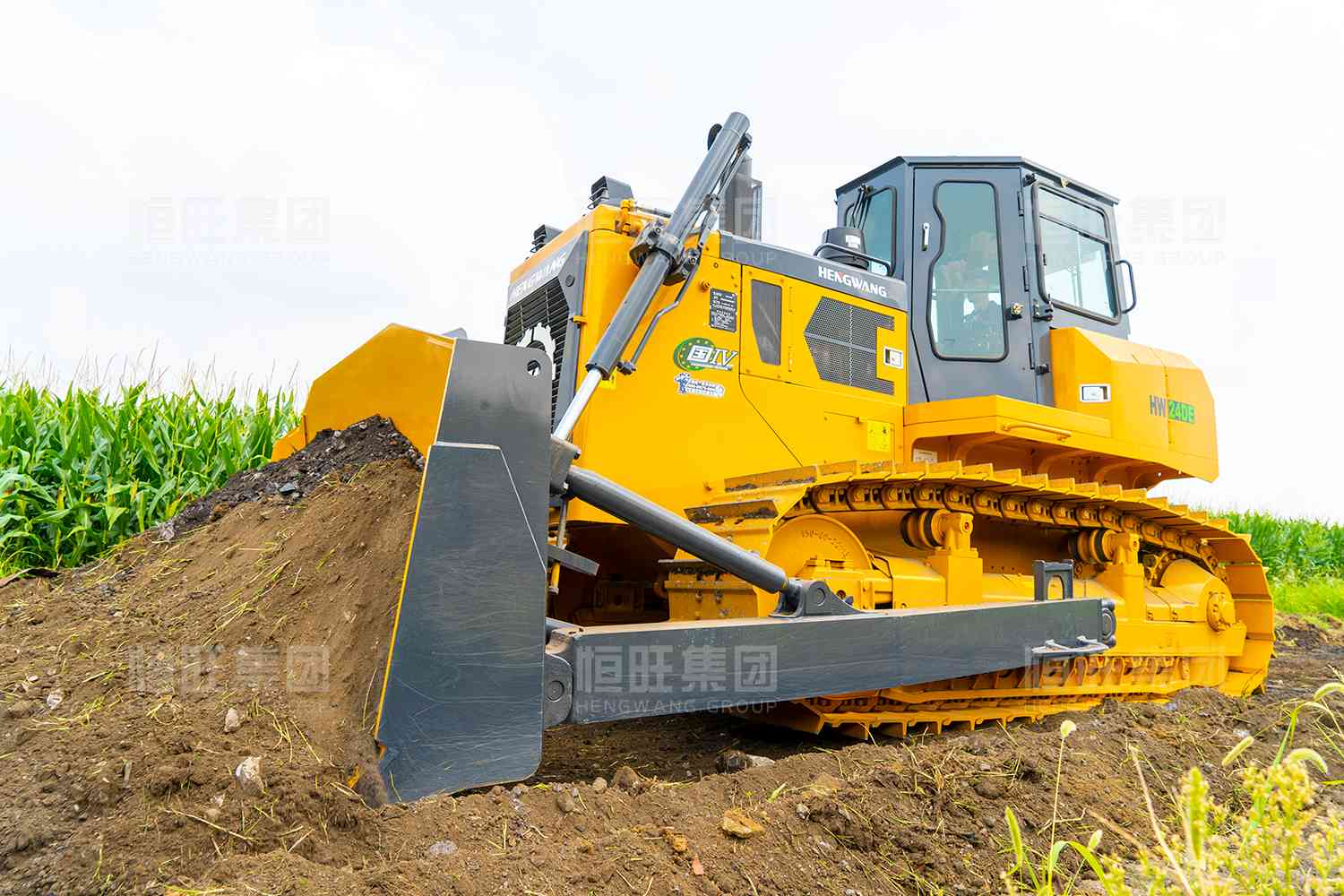
1. Waterproofing and Corrosion Prevention: The Foundation of Bulldozer Maintenance
Sealing Critical Components
Bulldozer maintenance prioritizes sealing joints and oil plugs (e.g., fuel tanks, transmission casings) to prevent moisture ingress. After operations, all drains and vents must be tightened to avoid rust caused by water accumulation. For long-term exposure to humidity, applying anti-corrosion coatings to metal parts is recommended.Post-Operation Cleaning
Thoroughly clean the bulldozer’s exterior and undercarriage after each use, focusing on mud-prone areas like tracks and rollers. In dusty environments, clean the diesel tank’s fuel cap every 3–5 days to prevent contaminants from clogging lubrication systems
2. Cold Climate Adaptations: Core Challenges in Bulldozer Maintenance
Fluid Management
In freezing conditions, use low-temperature diesel (with a pour point 5–10°C below ambient) and high-viscosity lubricants. Coolant systems must incorporate antifreeze (e.g., 32.5% urea solution). For Euro IV models, ensure urea concentration stability and monitor freezing risks in fuel linesBattery and Electrical Systems
Cold temperatures degrade battery efficiency. Maintain electrolyte density (1.27–1.29 g/cm³) and clean terminal oxidations. Disconnect the negative terminal during prolonged storage to minimize discharge
3. Powertrain Protection: Heart of Bulldozer Maintenance
Fuel and Lubrication Systems
Use high-sulfur diesel (≤10 ppm) for Euro IV models to avoid exhaust system damage. Replace fuel filters every 200 hours and clean water separators to prevent injector clogging. Hydraulic systems require filter replacements every 500 hours to avoid seal wearCooling and Exhaust Maintenance
Regularly inspect radiators for blockages and flush cooling systems with acidic solutions (5–15% hydrochloric acid) every 600 hours to dissolve scale. Install exhaust rain covers to prevent moisture corrosion
4. Structural Integrity: Precision in Bulldozer Maintenance
Track and Undercarriage Checks
In muddy terrain, adjust track tension weekly (0.5–1.0 mm clearance) and inspect sprocket teeth for wear. Replace tracks if pitch elongation exceeds 3 mm to prevent uneven wear on idler wheelsDrivetrain Sealing
After operations, inspect final drive housings for water ingress. Disassemble and reseal if mud is detected, and apply lithium grease to hydraulic cylinder rods to resist oxidation
5. Operational Protocols: Extending Bulldozer Maintenance Intervals
Pre-Start and Shutdown Routines
Warm up engines for 5 minutes before heavy tasks to ensure proper lubrication. Post-operation, idle for 5–10 minutes to cool turbochargers and prevent thermal shockDocumentation and Monitoring
Maintain a digital log tracking maintenance dates, replaced parts, and fluid specifications. Integrate IoT sensors to monitor real-time parameters like oil pressure and temperature for predictive maintenance
Conclusion
Effective bulldozer maintenance in extreme environments hinges on proactive measures and meticulous execution. By adopting climate-specific fluids, enhancing sealing systems, and standardizing operational workflows, operators can mitigate wear, reduce downtime, and maximize ROI. Regular audits of maintenance protocols and leveraging smart diagnostics will further ensure sustained performance in harsh conditions.